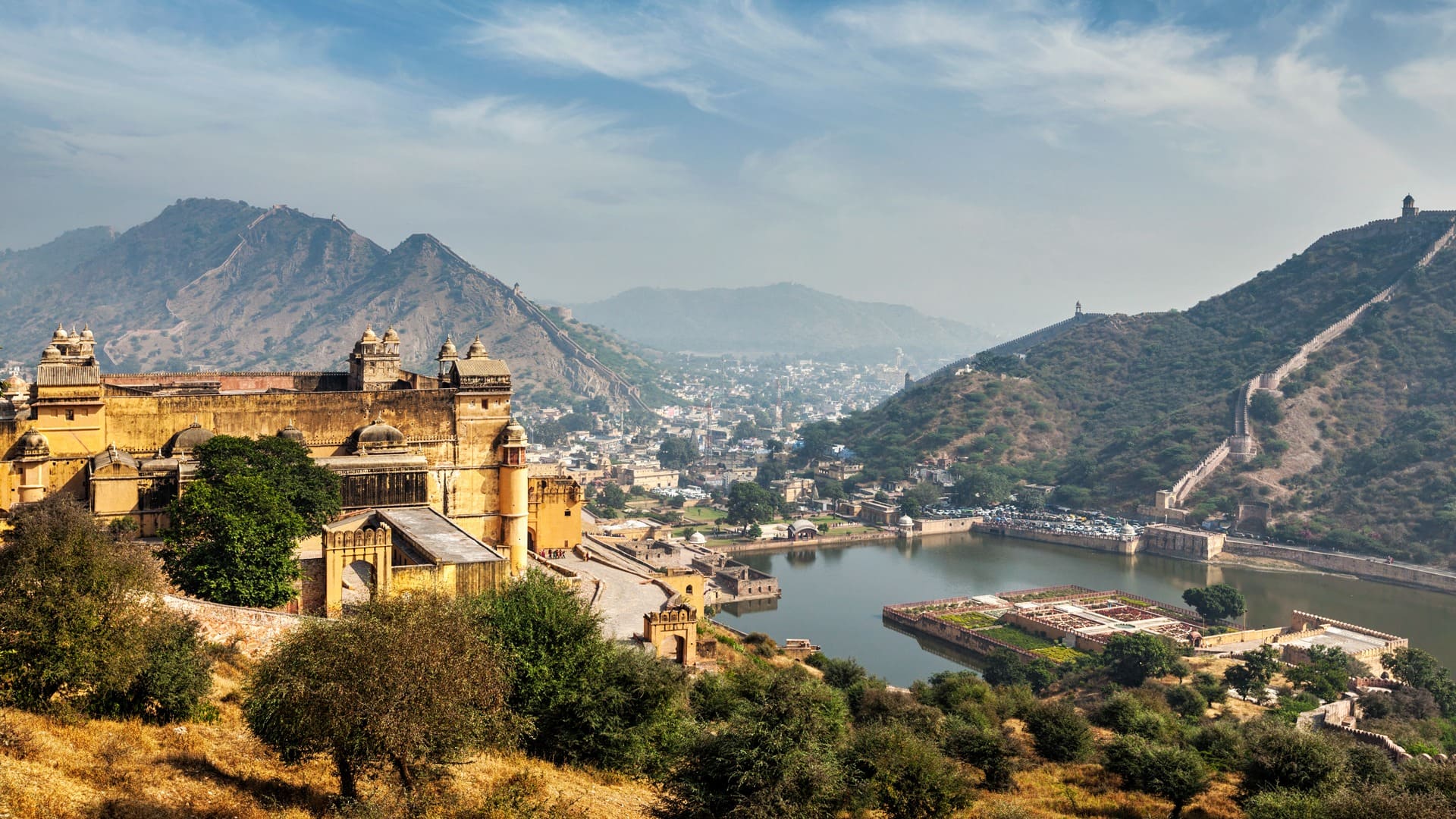

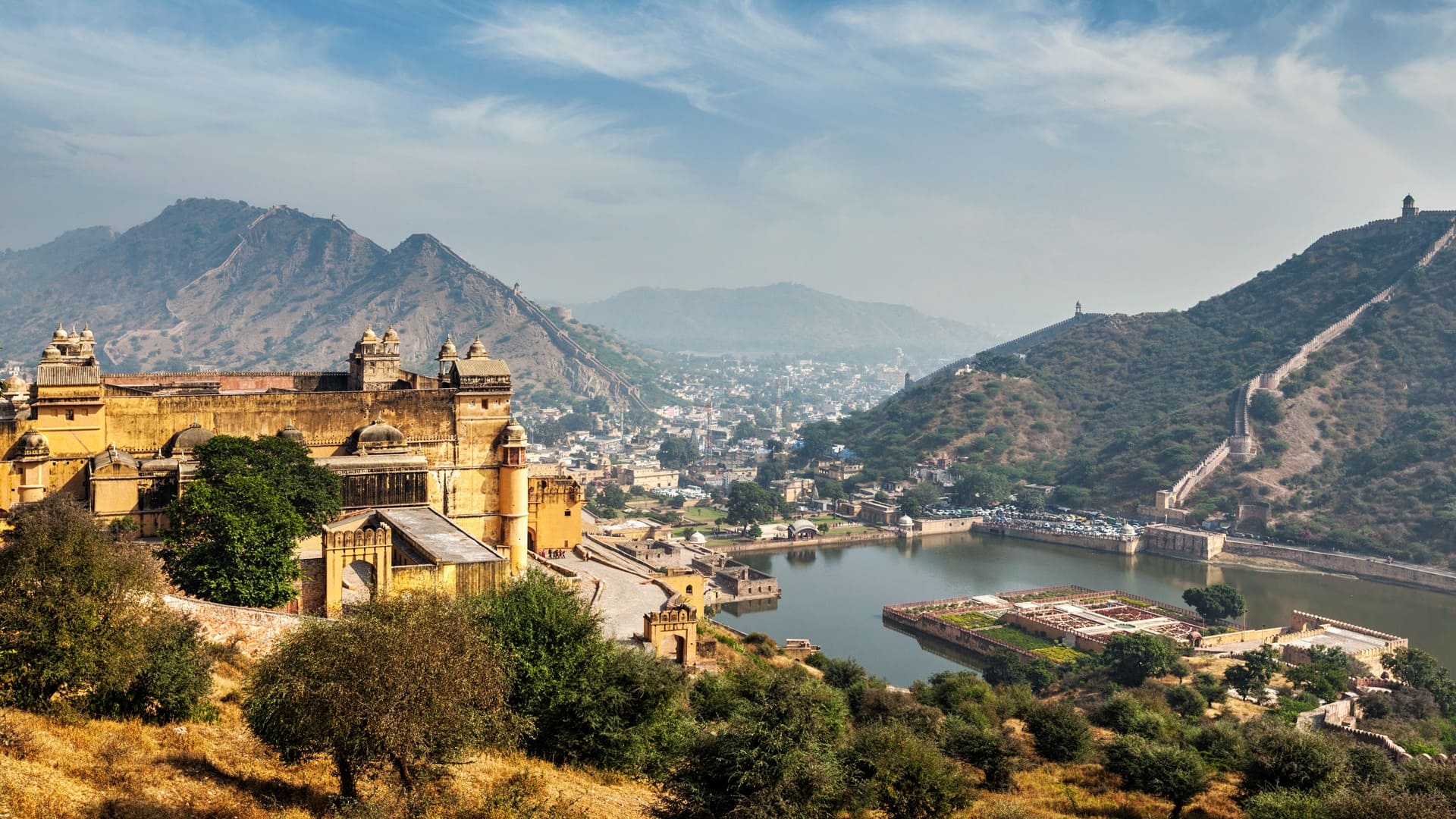
Choosing the best time to visit Rajasthan can make a big difference to your holiday. The state’s climate changes considerably through the year, from cool winter sightseeing days to very hot summers and a monsoon season that can transform parts of the landscape.
The cooler months are generally preferred for exploring forts, palaces, markets and desert destinations. However, every season has trade-offs, and the right time depends on your route, tolerance for heat, budget and interest in festivals or green landscapes.
Quick seasonal guide
- October to March: generally the most comfortable sightseeing season
- April to June: very hot; plan outdoor activities early or late
- July to September: monsoon scenery with changeable conditions
- Jaisalmer desert outings are generally best in the cooler months
- Peak-season dates and festivals can increase hotel demand
- Check forecasts, event dates and local conditions before departure
Rajasthan by Season: What to Expect
Each season offers a different experience. Use these seasonal highlights to decide when to visit and how to plan your days.
October to March: The Best Season for Rajasthan
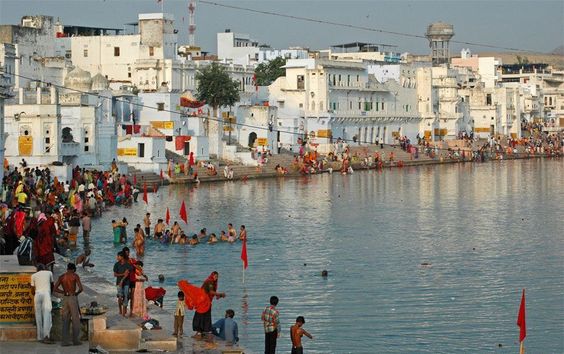
October to March is generally the most comfortable period for a Rajasthan holiday. Daytime temperatures are often more suitable for walking through forts, palaces, markets and old-city lanes, while evenings can be cool, particularly in desert areas. This is a popular travel season, so accommodation and transport may cost more around holidays and major events.
- Comfortable weather for sightseeing
- Good season for city tours and desert experiences
- Book hotels and transport early for peak dates
April to June: Summer Travel in Rajasthan
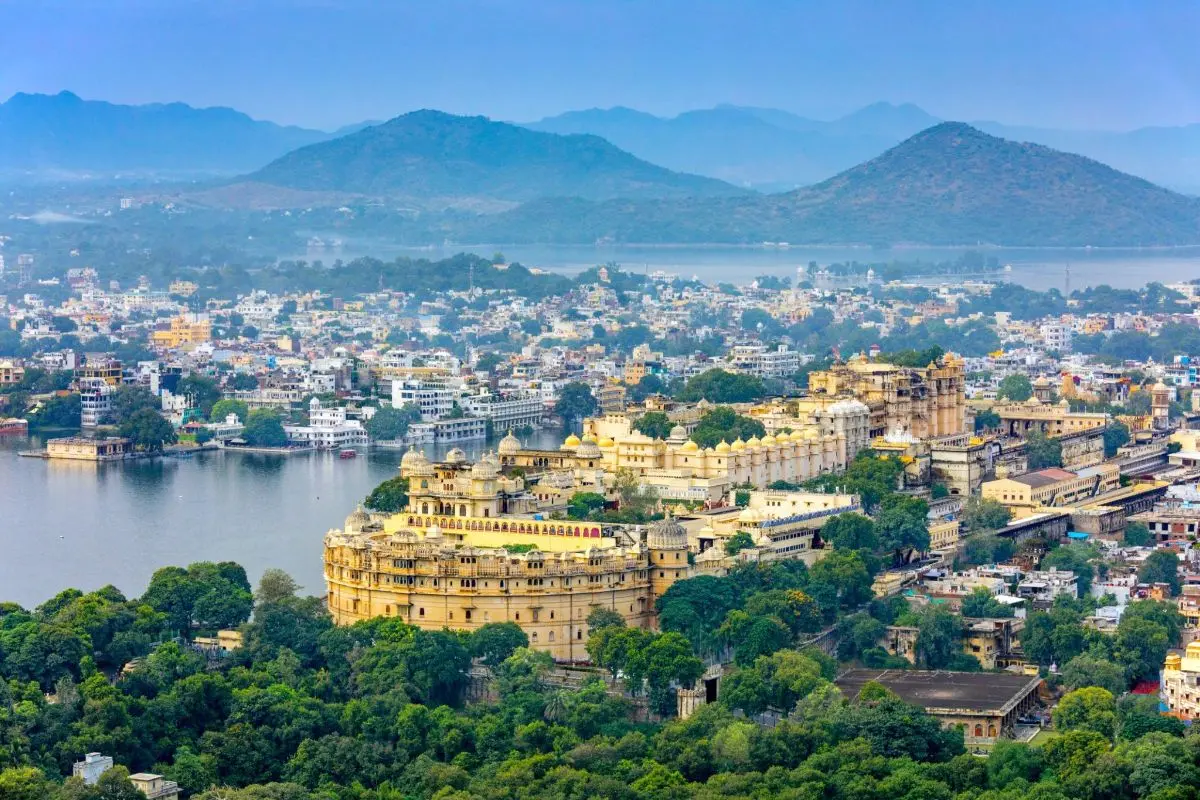
Summer is usually the hottest period in Rajasthan, and afternoons can be uncomfortable for outdoor sightseeing. Travelling during these months may suit visitors with flexible schedules or those looking for possible off-season deals, but plan activities for early morning and evening. Carry water, use sun protection and check local weather forecasts before setting out.
- High temperatures, especially in the afternoon
- Plan monuments early in the morning
- Choose hotels with cooling facilities
July to September: Monsoon in Rajasthan
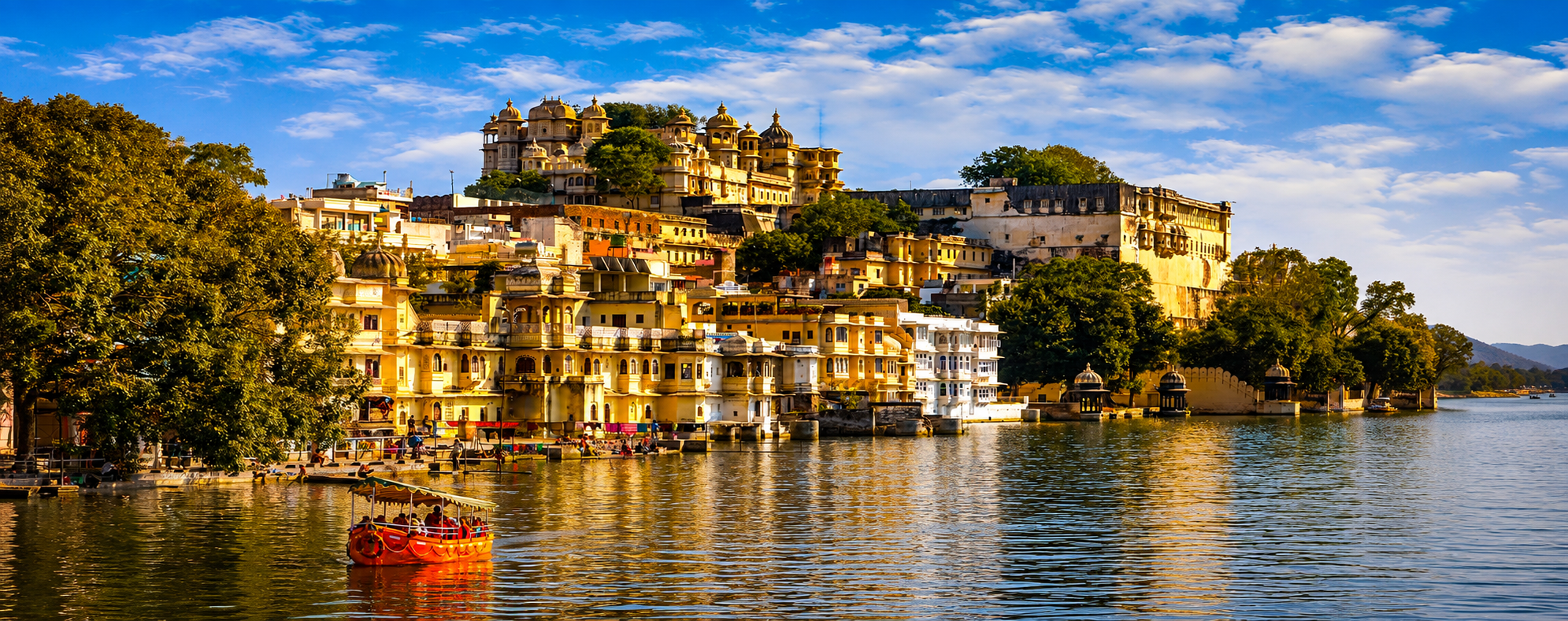
The monsoon season can bring relief from summer heat and greener landscapes, especially around Udaipur and the Aravalli hills. Rainfall is variable, however, and can affect outdoor activities, road journeys and sightseeing schedules. Check forecasts and local conditions, and keep indoor attractions or flexible alternatives in your itinerary.
- Rainfall varies by region and year
- Lakes and countryside may look greener
- Keep plans flexible for rain and road conditions
Best Time for Jaisalmer and Desert Experiences
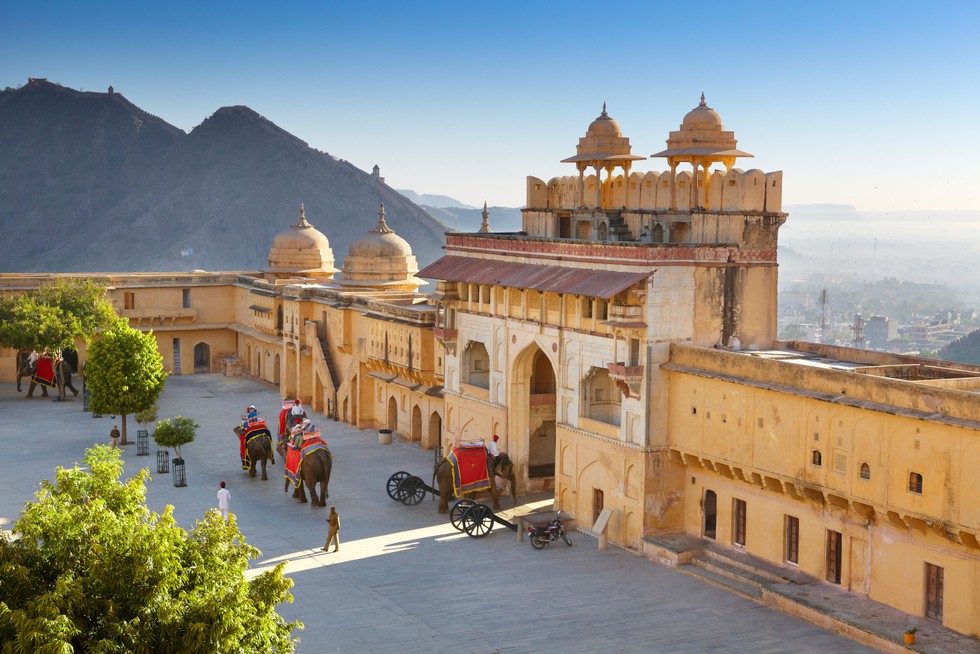
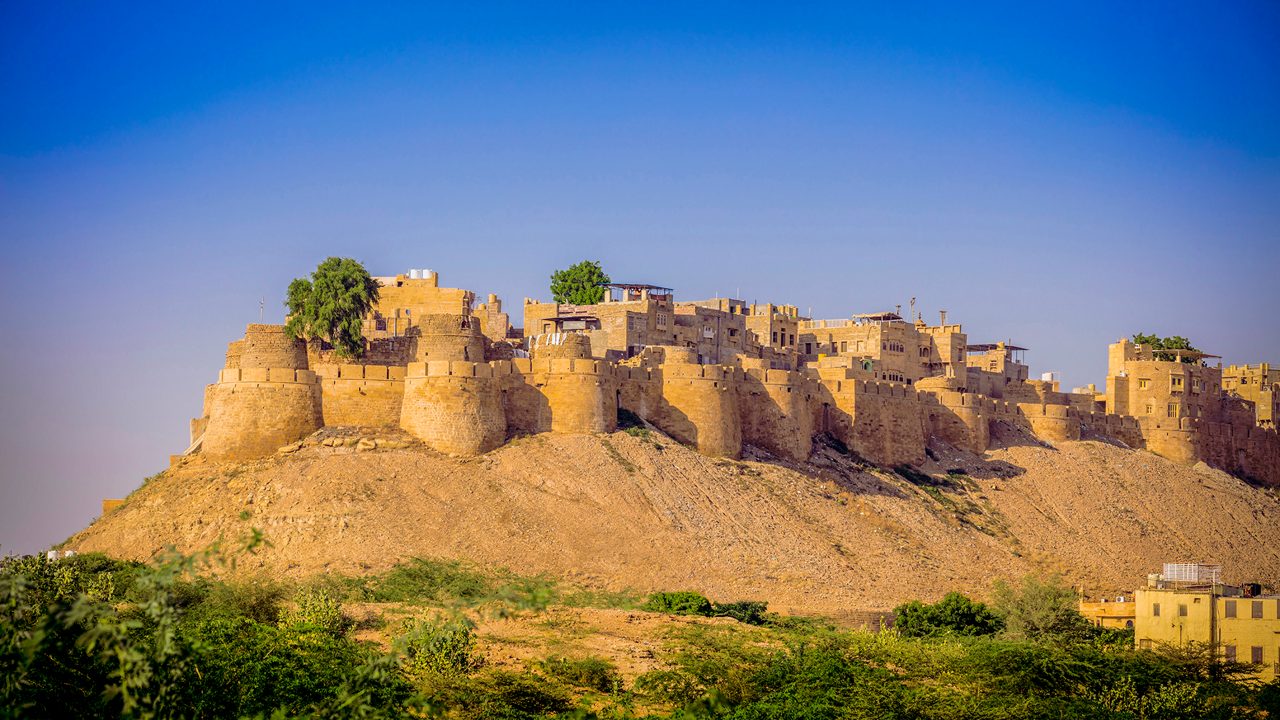
For Jaisalmer and the Thar Desert, the cooler months are generally more comfortable for exploring forts, havelis and sand dunes. Winter evenings and nights can be cold, so pack layers. If you plan a camel ride, jeep safari or cultural evening, check the operator’s arrangements, what the price includes and the expected return time before booking.
- October to March is usually preferable
- Desert nights can feel cold in winter
- Confirm safari inclusions and safety arrangements
Rajasthan Weather by Season: Quick Comparison
| Season | Typical conditions | Travel advice |
|---|---|---|
| October–March | Generally cooler and more comfortable for sightseeing | Popular season; book key services in advance |
| April–June | Very hot, with intense afternoon sun | Visit outdoor attractions early or late; stay hydrated |
| July–September | Rainfall varies; landscapes may become greener | Check forecasts and keep outdoor plans flexible |
| Winter nights | Can be cold, particularly in desert areas | Pack layers for Jaisalmer and open-air experiences |
| Festival periods | Events can bring crowds and higher demand | Verify event dates and accommodation availability |
Best Months for Different Rajasthan Destinations
October to March is a useful general window for many popular destinations, but conditions vary by location. Jaipur and Jodhpur are known for forts and city sightseeing, Udaipur for lakes and surrounding hills, and Jaisalmer for desert experiences. In summer, heat can make long outdoor visits challenging; during monsoon, rainfall may affect travel plans.
Before finalising dates, check typical weather, travel time between destinations, hotel availability and any festivals taking place during your visit. If your route includes the desert, remember that winter nights can be much colder than daytime temperatures.
Weather and demand can both affect your trip. Compare rates for your actual dates and check cancellation terms before confirming accommodation.
Month-by-Month Guide to Visiting Rajasthan
October and November: These months often mark a comfortable start to the main sightseeing season. They can be suitable for city tours, heritage attractions and desert itineraries, though local conditions vary.
December and January: Days can be pleasant for exploring, while mornings and nights may be cold, especially in desert areas. Carry warm layers and book popular hotels and activities early.
February and March: These months can offer comfortable conditions for many outdoor visits, although temperatures generally begin rising toward March. Check festival dates if you want to include a local event.
April to June: Expect intense heat. Plan sightseeing early in the day, take breaks indoors and follow local weather advice.
July to September: Monsoon rainfall is variable. Some landscapes become greener, but rain can change road and outdoor activity conditions, so retain flexibility.
Festivals and Special Experiences
1 For cultural festivals
Rajasthan hosts cultural events and fairs at different times of year. Festival dates and schedules can change, so verify official or local information before building your trip around a particular event.
2 For desert experiences
Plan Jaisalmer and sand-dune activities during the cooler season where possible. Desert temperatures can drop after sunset in winter, and safari activities should be booked with a reputable operator.
3 For families
The cooler months are generally easier for families planning full sightseeing days. Allow rest breaks, carry water and avoid scheduling long outdoor visits during the hottest part of the day.
4 For quieter or flexible trips
Travelling outside the busiest dates may offer a different pace, but weather can be more challenging in summer or less predictable during monsoon. Choose dates based on comfort, not just lower prices.
Suggested Seasonal Itineraries
1 4–5 Days: Jaipur and Nearby Heritage
Plan Jaipur’s major forts, palaces and old-city markets over several days. During cooler months, you may be able to add a nearby excursion. In summer, reduce the number of outdoor stops and schedule them early.
2 5–6 Days: Udaipur and Southern Rajasthan
Explore Udaipur’s palaces and lakes at a relaxed pace, allowing time for travel between stops. Monsoon can bring greener scenery, but check weather and road conditions before adding countryside excursions.
3 6–8 Days: Jaipur, Jodhpur and Jaisalmer
Allow enough time for intercity journeys as well as sightseeing. The cooler months are generally more comfortable for desert activities; in winter, bring warm clothing for evening excursions.
Practical Tips for Planning a Rajasthan Trip
- Book accommodation early for the cooler months and major holiday periods.
- Keep drinking water, sun protection and comfortable walking shoes with you.
- Check monument entry times and current ticket prices before visiting.
- Use licensed transport and confirm fares or package inclusions in advance.
- Schedule forts, desert outings and long walks during the cooler parts of the day.
- Check local forecasts, road conditions and activity availability before setting out.
- Allow proper travel time between cities instead of treating long transfers as full sightseeing days.
Explore our Rajasthan Tour Packages and build an itinerary around your preferred season and destinations.
Frequently Asked Questions
What is the best time to visit Rajasthan?
October to March is generally the most comfortable season for sightseeing in Rajasthan. The best dates still depend on the cities you plan to visit, local weather, festivals and your travel preferences.
Which month is best for a Rajasthan trip?
November and February are often good options for comfortable daytime sightseeing. December and January can be cooler, especially at night in desert areas, so pack suitable layers.
Is summer a good time to visit Rajasthan?
April to June can be extremely hot, particularly in the afternoon. If travelling in summer, schedule outdoor attractions early or late in the day, drink water regularly and check weather alerts.
Can I visit Rajasthan during the monsoon?
Yes. July to September can offer greener scenery, but rainfall varies and may affect outdoor plans or road travel. Keep your itinerary flexible and check forecasts before travelling.
What is the best time to visit Jaisalmer?
October to March is generally more comfortable for Jaisalmer and desert activities. Winter nights can be cold, so bring warm clothing and confirm safari arrangements in advance.
When should I visit Udaipur?
October to March is generally comfortable for city sightseeing. The monsoon season can also make the surrounding landscape greener, though rainfall and lake activity conditions can vary.
Which season is best for a family trip to Rajasthan?
The cooler months, generally October to March, are often easier for families because outdoor sightseeing is more comfortable. Consider children’s ages, walking distances and the pace of your itinerary.
Should I book Rajasthan hotels in advance?
Advance booking is advisable during the popular October-to-March season, long weekends and major festivals. Compare cancellation policies and confirm current rates before paying.
Ready to Plan Your Rajasthan Holiday?
Share your travel dates, group size and preferred destinations. We can help you plan an itinerary around your schedule and interests.
Last updated